Latest Post
This week, I've been cycling to work. I've had a perfectly good (well, OK, not
that good) bike sat in the garage, and spending £700 a year on buses was beginning to annoy me given the unreliability and the routes not being very convenient for my journey to work.
Here's a few initial thoughts on the experience:
- Keep your mouth shut, unless you want to snack on flies
- Other cyclists sometimes nod and smile
- Cycling gear and accessories are seriously overpriced
- Things that claim to be a "universal fit", probably are not and may require extensive bodging
- I'm not arriving at work all sweated up, so personal hygiene isn't the problem I expected it to be
- Cycling in very heavy traffic is easier than I thought because the cars aren't moving
- Panniers beat backpacks hands down
- 8 years car driving helps with understanding how motorists are likely to interact with you
- Drivers give more room and slow down when there isn't a cycle lane
- I'm £3.40 a day better off
- I miss listening to podcasts or music on the way to work
- I arrive at work much more awake, and strangely, I no longer crash and resort to strong coffee mid-afternoon
Time-wise, I'm 30 minutes better off in the mornings which makes for a much more relaxed start to the day. My home journey is uphill and I only save 15 minutes compared to using the bus, but this 15 minute saving is negated by the need to shower when I get in.
With regard to accessories and equipment, there appears to be two distinct markets. The first covers casual cyclists and consists of cheap crap, which doesn't appeal at all. The other market consists of high-end enthusiast products for those willing to pay ridiculous amounts for ever diminishing performance gains. I want neither. Am I being unrealistic?
I've found that, particularly where traffic speed is low, it helps to move into the centre of the lane when approaching junctions to ensure that you're not pushed around by motorists. Cycling in a more assertive, but not aggressive, manner tends to improve your visibility and co-operation with other road users. Other techniques include pulling out early when passing parked cars, and passing them widely, just as a car driver would, following a good look backwards to check for approaching traffic and to signal that you're about to change course.
Counter to this, it can be useful to leave the road occasionally when approaching a complex junction where there is heavy, fast traffic. Often, off-road cycle paths exist for this purpose. The danger associated with this is re-joining the road because you will appear out of nowhere to motorists.
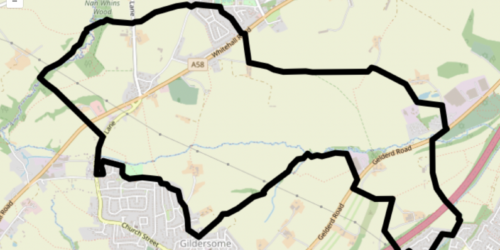
Also, if you have a compatible Nokia phone, download
Sports Tracker which is an awesome performance monitoring which utilises GPS and
OpenStreetMap and can record all your route data along with speed vs. time or altitute vs. time. You can export the data, too.
Recent comments